Compare Local Contractors for Brick Hardscaping Installation Success
Compare local contractors for brick hardscaping installation to define project scope, verify experience, and set clear expectations in writing for a successful outcome.
Brick hardscaping installation typically involves creating durable, visually appealing features such as patios, walkways, steps, and retaining walls using brick materials. This work requires careful planning to ensure proper layout, foundation preparation, and brick placement to withstand foot traffic and weather conditions. Skilled contractors often handle tasks like site assessment, material selection, and the execution of techniques that ensure the longevity and stability of the finished hardscape, making it an integral part of enhancing outdoor spaces.
Defining the scope of a brick hardscaping project is essential to establishing clear expectations and ensuring the work aligns with property owners’ needs. A well-outlined scope includes details about the size, design, materials, and specific features desired, as well as any site-specific considerations like grading or drainage. Having these details in writing helps prevent misunderstandings, facilitates effective communication, and provides a basis for comparing different service providers based on their experience and approach to similar projects.
When evaluating local contractors for brick hardscaping installation, property owners should consider their experience with similar projects, the range of services offered, and their approach to planning and communication. It’s beneficial to verify the scope of work that each contractor typically handles and to review their portfolio or references if available. Comparing how contractors propose to approach the project, their attention to detail, and their ability to clearly outline the work in writing can help property owners make informed decisions and select service providers best suited to their specific outdoor improvement goals.
Compare local contractors by outlining project priorities, verifying experience, and clearly defining scope and expectations in writing.
- Compare Contractor Credentials - Review the experience and background of local contractors to ensure they meet project requirements.
- Define Project Scope Clearly - Establish detailed expectations and deliverables in writing before work begins.
- Verify Past Work and References - Request examples of previous projects and contact references to assess quality.
- Assess Communication and Professionalism - Choose service providers who demonstrate clear communication and professionalism throughout the process.

Clearly describe your brick hardscaping project to help compare local contractors, define scope, and set written expectations.
- Verify experience and expertise in brick hardscaping installation to ensure quality workmanship. - Look for local contractors with a proven track record in similar projects and positive references.
- Define the scope of work clearly and in writing to set expectations for materials, design, and installation methods. - Ensure all project details are documented to avoid misunderstandings during the process.
- Check for proper site preparation and foundation requirements to support durable and stable brick hardscaping. - Confirm that the contractor assesses and plans for proper ground conditions before installation begins.
- Assess the contractor’s approach to drainage and leveling to prevent future issues like shifting or cracking. - A knowledgeable service provider will incorporate proper grading and drainage solutions into the design.
- Request detailed project plans and specifications to compare how each local contractor intends to execute the work. - Comparing written proposals helps identify the most comprehensive and suitable approach.
- Ensure all work expectations, warranties, and maintenance considerations are documented in the agreement. - Clear documentation helps protect the client’s investment and clarifies responsibilities.
Compare local contractors' experience, clarify project scope, and set clear expectations in writing.

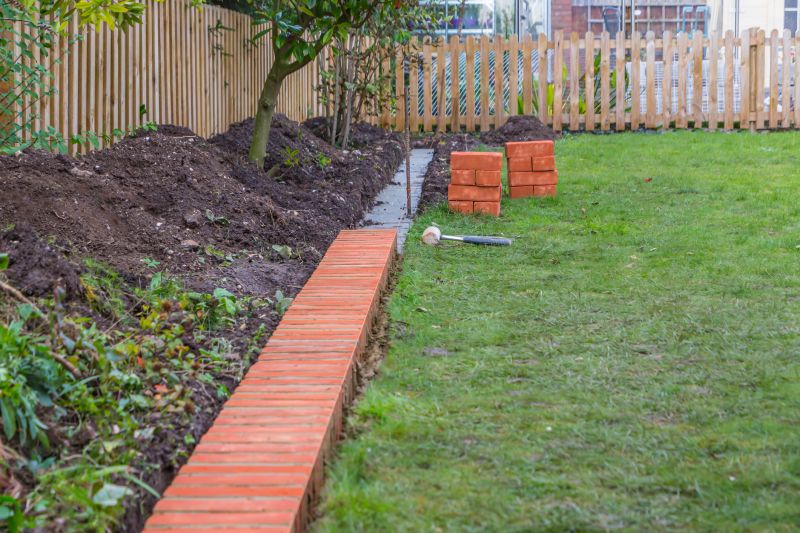
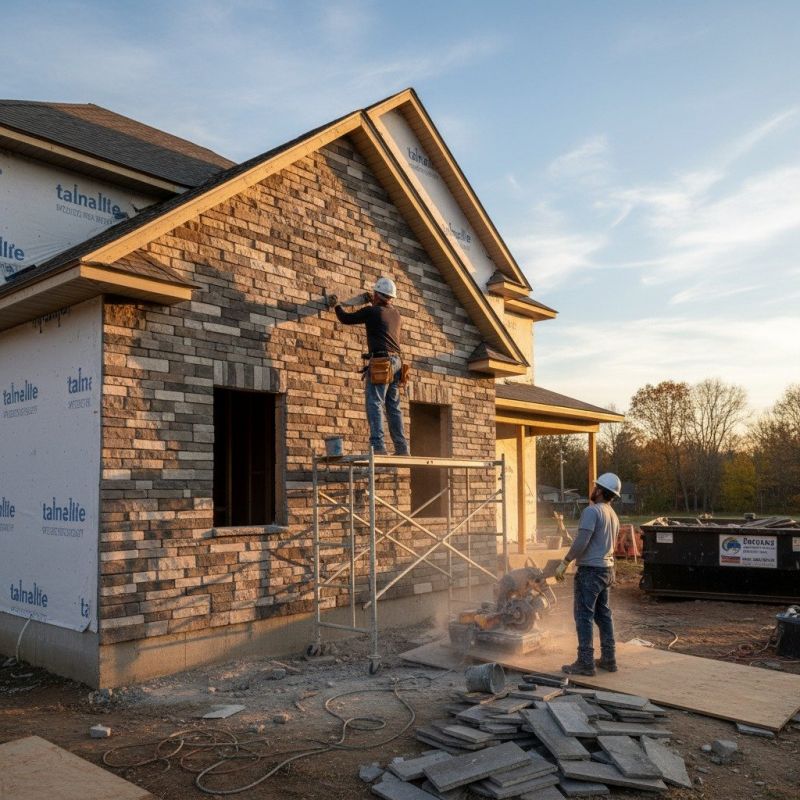

To effectively compare contractors for brick hardscaping installation, focus on defining scope, verifying experience, and setting clear expectations in writing.
- Scope Definition - Clearly outline the specific brick hardscaping elements to be installed, including size, design, and materials.
- Experience Verification - Confirm that local contractors have relevant experience with brick hardscaping projects of similar scope.
- Material Selection - Specify the types of bricks, mortar, and other materials to be used in the installation.
- Project Expectations - Establish detailed expectations for the work process, including surface preparation, installation techniques, and finishing details.
- Written Agreement - Ensure all project details, scope, and specifications are documented in a formal agreement before work begins.
When evaluating contractors for brick hardscaping installation, it is important to consider their experience with similar projects. Homeowners should inquire about the types of brickwork they have completed and the complexity of past installations. A contractor with a proven track record in projects comparable in scope and design can offer insights into their familiarity with the specific techniques and materials involved. Verifying their experience through references or portfolios can help ensure that the contractor has a history of successful, quality work in brick hardscaping.
Having a clear, written scope of work is essential when comparing service providers. A detailed description of the project-including materials to be used, design specifications, and the extent of the work-serves as a foundation for understanding what is included and helps prevent misunderstandings. Homeowners should seek contractors who can provide a comprehensive scope in writing, allowing for transparent communication and setting clear expectations from the outset. This documentation can also serve as a reference point during the project to confirm that all agreed-upon tasks are completed.
Verification of a contractor’s basic credentials involves confirming their background and reputation within the local community. This can include checking references, reviewing any available project histories, and ensuring that the contractor has a consistent record of reliable service. It is also helpful to gather feedback from previous clients about the contractor’s professionalism, adherence to scope, and overall quality. While formal licensing or certification may not be a requirement, gathering this information provides a clearer picture of the contractor’s reliability and experience in brick hardscaping projects.
When comparing options, it is important to focus on how each contractor approaches the project scope, communicates details, and demonstrates their understanding of the work involved. Homeowners should ask for written proposals that outline the scope, materials, and project expectations. Evaluating how well each service provider understands the project needs and whether their communication is clear and thorough can help identify a contractor capable of delivering quality results. Prioritizing clarity and consistency in the scope and communication can lead to a smoother project process and a successful outcome.
Ask contractors to provide written scope details to ensure clarity and consistency throughout the brick hardscaping project.
- Experience and Portfolio - What relevant experience and past projects should I review when comparing contractors?
- Scope of Work - How can I ensure the contractor clearly defines the scope and materials involved in the installation?
- References and Reviews - What references or reviews can help verify the quality and reliability of local contractors?
- Work Process and Expectations - How should the contractor outline the process and set expectations in writing for the project?
- Insurance and Liability - What insurance coverage or liability measures should I verify with potential service providers?
How can I compare contractors for brick hardscaping installation? To compare contractors, review their experience, verify references, and ensure they provide clear written scope of work to understand what is included in each bid.
What should I consider when defining the scope of my brick hardscaping project? Clearly outline the desired features, materials, and dimensions, and communicate these details to contractors to ensure everyone has a shared understanding of the work.
How can I verify a contractor’s experience with brick hardscaping? Ask for examples of past projects, review references, and inquire about the types of brickwork they have completed to assess their familiarity with similar installations.
Why is it important to get everything in writing when working with a contractor? Having a detailed written agreement helps set clear expectations, defines the scope of work, and provides a reference point if any questions or issues arise during the project.
What questions should I ask a contractor before hiring for brick hardscaping? Inquire about their experience, the materials they recommend, their process for installation, and how they handle project changes or unforeseen issues.
How do I ensure a contractor is qualified to handle my brick hardscaping project? Review their portfolio, check references, and confirm that they have experience with similar projects to ensure they are capable of delivering quality work.
By exploring the details shared about brick hardscaping installation, visitors gain a clearer understanding of how to evaluate and compare local contractors. Emphasizing the importance of defining project scope, verifying experience, and setting clear expectations in writing helps ensure a more informed decision-making process. Using the quote form allows for easy comparison of options, making it simpler to identify the service providers best suited to specific project needs.
Taking the time to review and compare local contractors can lead to more confidence in selecting a provider capable of handling brick hardscaping installation. The quote form serves as a practical tool to gather information and evaluate different options side by side. This approach supports making well-informed choices by focusing on experience, scope, and clear communication with service providers in the area.